What are the biggest problems facing cities in the US? Over the past several years of working directly with many City Councils, here is what I have found to be the biggies problems facing Cities in the US [in no particular order]:
- Underfunded Pensions Plans and commitments
- The Rising cost of living
- Affordable Housing
- Reduction in Federal Support
- Increased in economic uncertainty/stagnation
- Decline in downtown activity
- Decline in population
- Infrastructure decay
- Social Changes
While I have addressed many of these issues in the past and will continue to address them in the future; for this article I want to look at something many Cities bypass as “not worth out time” – Tiny Housing Villages.
Many Cities view Tiny House Villages with a mix of curiosity and caution, and I wonder why. While some are welcoming to the idea of Tiny Home Villages, and welcome tiny homes as a sustainable housing option, other – not so much.
Many other Cities, view the idea of tiny homes as some kind of “invasion.” They are skeptical and have concerns about the impact such housing will have on the infrastructure and cause a decline “community standards.” Those Cities who are embracing the tiny home movement are focused on developing communities where people=, families, can live in small sustainable homes and become part of the larger community. The tiny home movement is driven by sustainability, affordability, and environmental factors.
The two types of Tiny Villages, and both are important:
- Shelter Housing: Temporary housing units where individuals, and families, live for short periods. They do not own the home or the land.
- Long Term Living; Permanent housing, where individuals, and families, own both the house and the land.
Let’s look at some of the concerns cities have concerning the development of Tiny Villages:
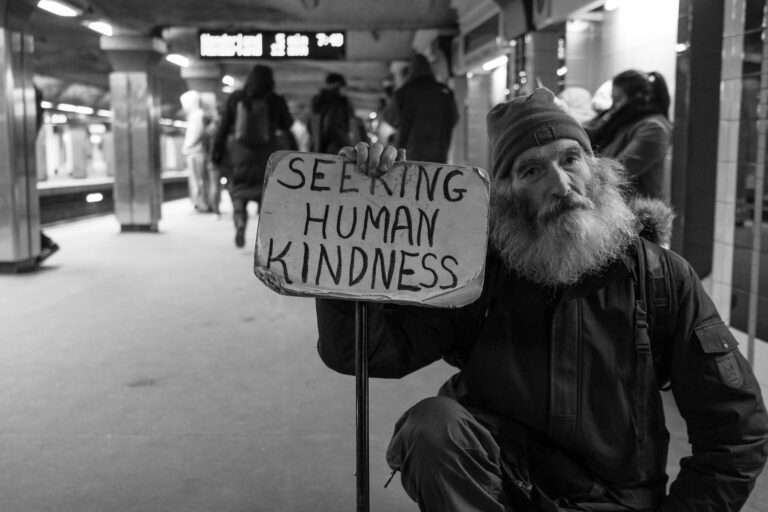
The first is NIMBYism. Whenever a City starts to look at Tiny Villages, people in the area state what I call a NNIP [Negative Neighborhood Improvement Propaganda]. Individuals start shouting about criminals, immigrants, poor people, and seeing people who would live in a Tiny Village as “others.” This is disheartening, because in reality there are no “others’ we are all humans who need shelter. Still, some see Tiny Villages as temporary/transit housing, and while it could be used for such, I am suggesting a Tiny Village is a place for families and community.
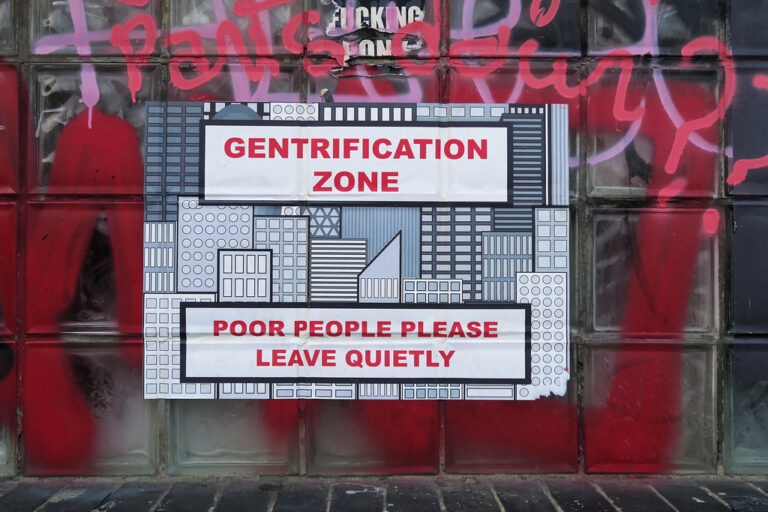
Next, Property Tax Concerns: Tiny houses are often assessed for property taxes, which can affect the local tax base. Cities fear that the presence of tiny houses will lead to a decrease in property values and tax revenue. We need to remember, the impact of Tiny Villages on property values is not as simple as one may think; it is both complex and multifaceted.
Some believe Tiny Villages will decrease property values, the reality is far more nuanced. The reality is, Tiny Villages will create increased demand for properties, which in turn will lead to higher property values in areas where Tiny Villages are built. In turn, they can even enhance the aesthetics of neighborhoods and positively influence property values. However, the perception of lower quality compared to traditional homes and the limited market appeal in certain areas can lead to a decrease in property values.
Another point is Utility Overload: Some City Engineers are concerned about the potential for overloading sewers, water mains, and other utilities with a large number of Tiny Villages. I recently had a conversation with a City Engineer who mentioned this to me, so I asked, “What is the difference between building the five Apartment Complexes, taking up five city blocks with over 250 projected units from Studio to 2 bedroom and building 10 Tiny Villages with Studio and 2 bedroom units? Keeping in mind, the Tiny Village Unite will be sold, giving individuals and families the opportunity to build equity, while Apartments only give that opportunity to landlords.”
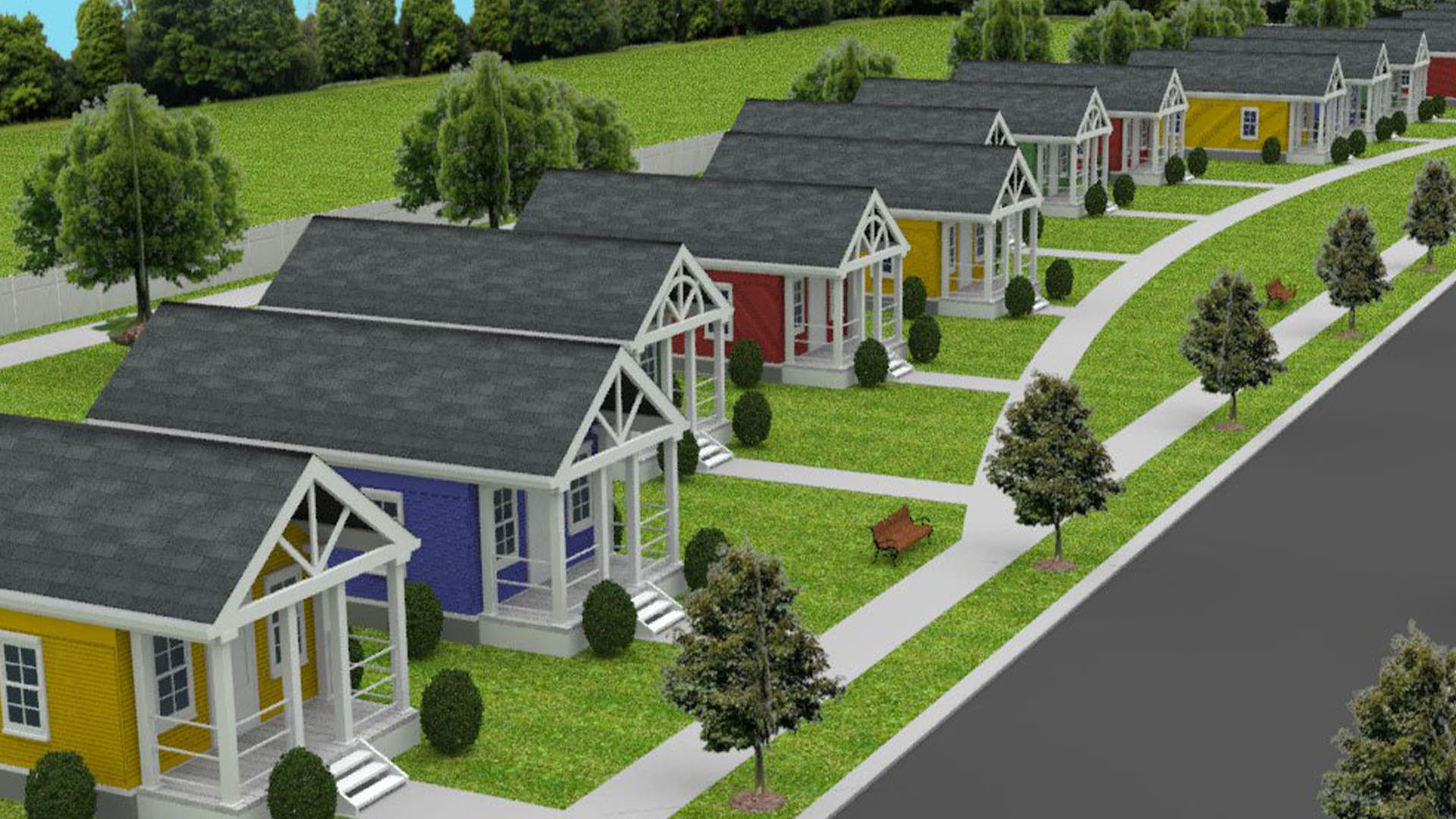
The cost of building a Tiny Village is nominal to building a large Apartment Complex. The cost of building an Apartment Complex is between $220-$700 a square foot. Which means a 4-7 story Apartment Complex could run between $15 to $54 million, and renters do not build equity. While the cost of building a Tiny Village of 10 homes would cost between $500,000 and $1.4 million, and those living in the homes would build equity. Tiny Villages can play a crucial role in the urban landscape by providing a sense of community and connection. They offer an environment allowing residents to engage with their neighbors and participate in local events. If done right, Tiny Villages can contribute to the economy. Many States [like California] allow cities to buy land, build homes and sell those homes.
About the Author