Have you ever come face to face with a seemingly insurmountable problem? Have you ever looked at a problem and thought, How the hell are we going to fix this? Have you felt the knot of doubt forming in your stomach telling you, you don’t have the skill set to address this problem? I have, and over my time in public administration, I have seen leaders address major problems in two devastating ways:
They think they can ignore the problem, and it will go away; this never works. Hiding you head in the sand is never an answer. Keep in mind, hiding your head in the sand leaves your ass exposes for a good kicking.
They think they can use what they were taught in college and address the problem that way; this seldom, if ever, truly works. Let’s be honest, if what you learned in college/university worked, many of the issues facing our cities, counties, and states would not be in the condition they are in at this point in time. Why? Because we are limiting our vision to what was in a book.
So, what do we do? Recently I had a conversation with a friend concerning critical thinking. He told me he could not wait for his son to enter college/university so he could learn critical thinking skills and start thinking ‘out-side the box.’ This got me thinking, college/university does not teach critical thinking, they teach think within the walls of a larger box; a box, nevertheless. The idea of critical thinking should focus on the reality that there is no box to begin with.
Some of the most innovative, creative, critical thinkers never went to college/university. People like the Wright Brothers [they did not even graduate from high school], David Bowie, Micheal Faraday [the Faraday Cage], Steve Irwin, John Rockefeller, Jerri Mock [first woman to fly a plane around the world], Benjamin Franklin [dropped out of school at age 10], Mark Twain, Quentin Tarantino [dropped out at 15], Sir Richard Branson, Frederick Douglas, Henry Ford, and so many others. What did they have in common? They were raised in poverty and faced every problem as a possibility in disguise. They were raised having to face hardship and found ways to survive. How does this help you in turning a problem into a possibility? It can inform you that education [I have a Doctorate] is not always the answer, a great deal of the time it is learning from life experiences. So, how can you turn a problem into a possibility without having to drop out of school and live in poverty?
First, we need to recognize our bias for problems. Because of our evolutionary path, humans are naturally inclined to focus on problems. While this helped us on our “eat or be eaten” path, it also caused us to live in a cycle of negativity, where opportunities are missed. By understanding this, bias we can learn to shift and learn to focus on possibilities. Next, we let go of our resistance to change; for many change is frightening. Over my career I have experienced people resistance to change, I was a Senior Pastor. I have found, when people are locked in their resistance to change, possibilities are never explored. When we embrace change, possibilities flow freely. We move from a static lifestyle to one centering on being a change agent.
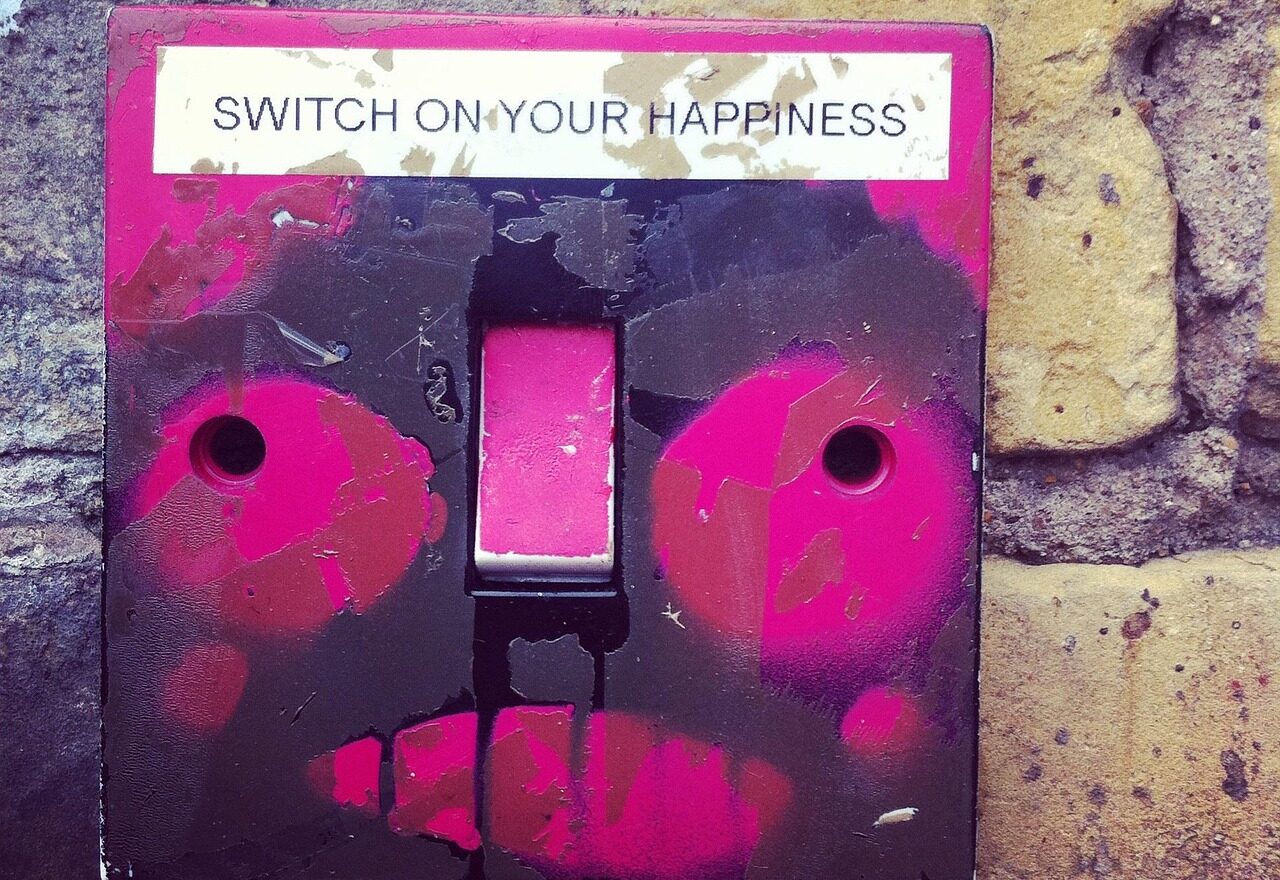
When this happens, when we face our biases, embrace change, we become proactive to the possibilities, and we stop dwelling on, and living in fear of problems. We develop a mindset of growth, success, and we are encouraged to asking questions and work in teams. When we start asking questions, we start to explore new ideas, new solutions and possibilities. We start to develop a mindset of innovation and creativity. This leads us to a proactive mindset, and we start to see possibilities from different angles. Keep in mind, we are going against our evolutionary cage of seeing only problems, and this requires us to keep focused on developing a mindset of possibilities. Stop thinking with a problem mindset and flip the switch to thinking of possibilities.
About the Author