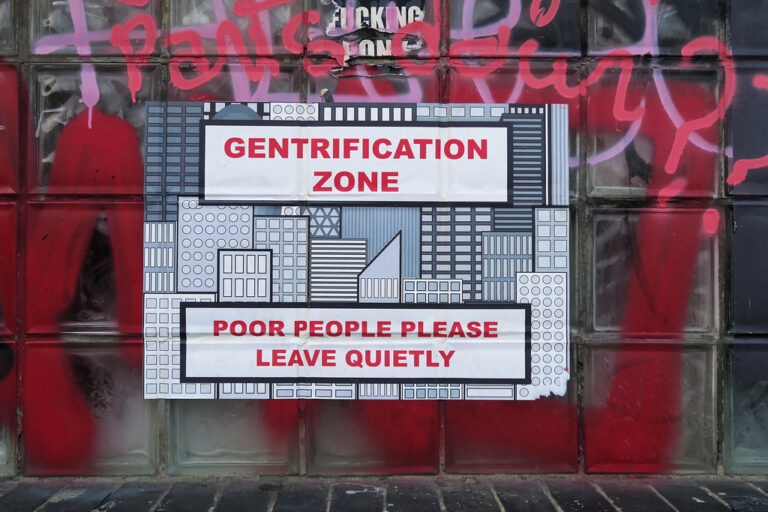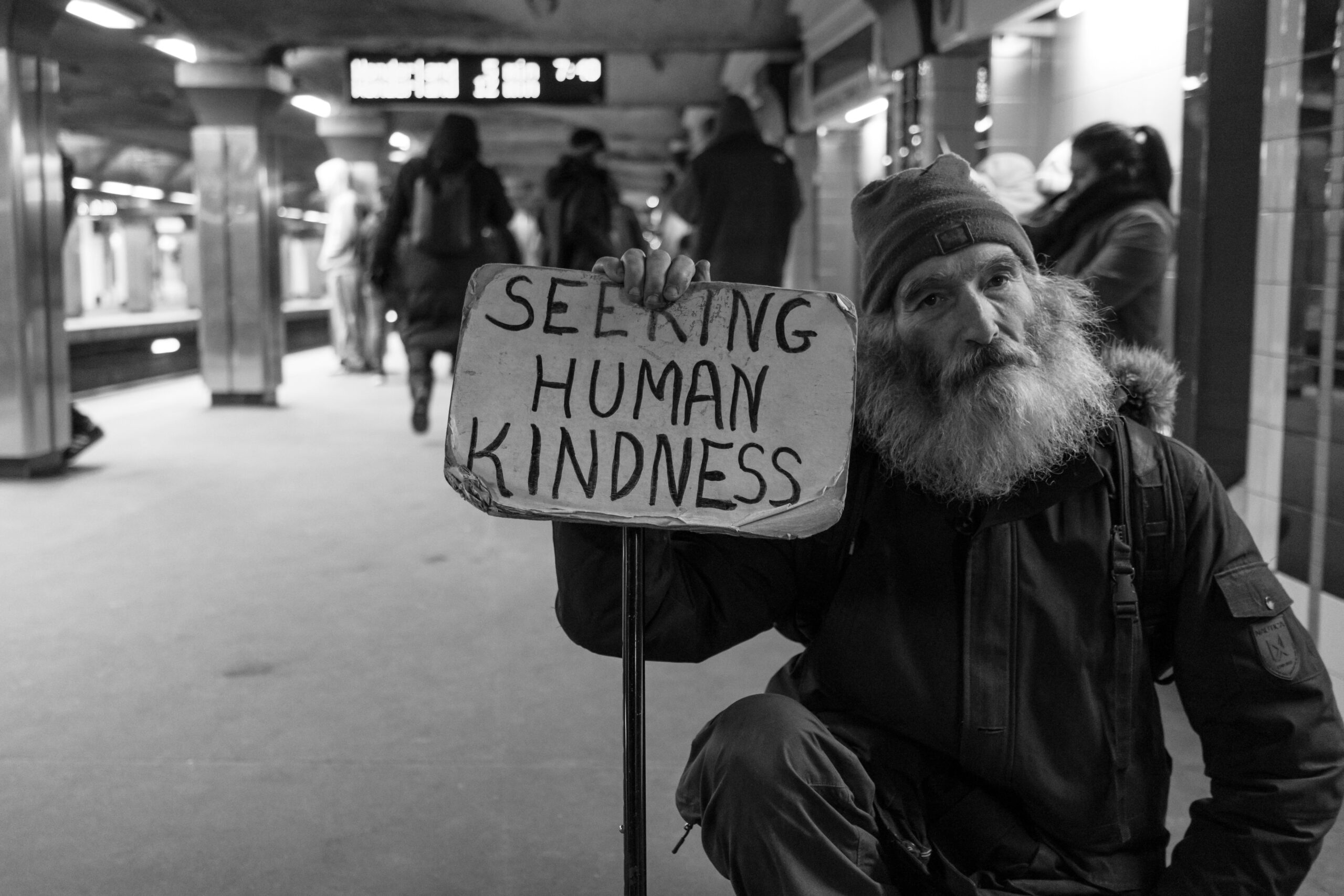
Sometimes I feel as if we have been living in some weird state of existence, burying our heads in the sand like we are playing the role of a human ostrich. While it should be obvious, homelessness is a significant issue across all U.S. cities, yet we are doing very little to end the problem. I know, it’s such a hard issue to solve, so many moving parts, so many social issues, so many people wanting their own way, it drives many city leaders crazy. So what do they do, they put a band-aid on it, and call is good. In many cities the problem seems so overwhelming it seems almost insurmountable.
A Shot Look at Data: Over the last few years, the United States experienced an unprecedented [but not unexpected] dramatic rise in homelessness drive by a combination of factors, including an unstable economy, a lack of affordable housing, substance use, trauma, job loss, and unforeseen medical expenses. Over the past few years homelessness has increased 18%, from 653,104 in 2023 point in time [PIT] to 771,480 at the same PIT in 2024; we need to remember, exact counts of those who are homeless is hard to determine, due to the realities of homelessness, it does not take into account those living in their cars, in the homes of friends and family–couch surfing, and those who have fallen off the grid altogether. People also discount he homelessness issue by developing and repeating incorrect, and generalized, reasons for homelessness. They say, and repeat, things like: “People who are homeless in my community come from someplace else.” “Providing services only encourages homelessness.” “Homeless people are homeless by choice.” “People who are homeless are lazy.” “People experiencing homelessness all have mental health issues.” “All homeless people are criminals.” “All homeless people are drug addicts.” These generalizations are used to negate any responsibility to search for solutions, and have more harm on those we are to serve.
Many cities are striving to address homelessness by providing support and resources to those in need and frightening, what seems to be, a never ending battle. Many municipalities are coming to the realization, current efforts to reduce homelessness are not working and this is evident in the increase in homelessness in many cities.
Before I share with you some ways, we can actually end homelessness, and an exciting example of thinking as if the box does not exist, let me share with you two very important ways of gathering information:
Ideation Sessions: Ideation is the third stage of Design Thinking. Any ideation session needs to be a team structured process focusing on generate, refine, and select ideas to address the problems and opportunities of homelessness. Ideation sessions focus on such techniques as brainstorming, sketching, prototyping., creatstorming, worse/best possible ideas/serves to connecting and identifying challenges driving towards a solution. When facing homelessness issues, the ideation sessions must include people who have lived experience and a broader spectrum of residents, the city engaged in the process.
Analyzing the Data: Data is important; in fact, data is very important. But too much data and analytics can lead paralysis by analysis, stemming from seeking perfection, overthinking causing information overload. It can lead to reduced productivity, missed opportunities, increased anxiety and stress. The best way to deal with paralysis by analysis is to set limits on time and data collected. You may need data covering several areas, but do you need 20 years of data? Trust your instincts and focus of progress [not perfection] while understanding you can simplify choices and always seek support.
So, Can A City End Homelessness?
My response is YES, but it will not be easy, and we need to move to a creative mindset. I know, when you read the above header the first thing you think is, ‘it’s impossible!’ Is it? I mean, really, do you actually believe it is impossible to end homelessness? I think if you are looking at the issue, any issue actually, with the mindset that is impossible to solve, you have already made your mind up and for you the issue is unsolvable. For me, I do not see the issue as unsolvable. I tend to think nothing is impossible. We may need to look at it in different ways, from different angles, with a different set of eyes, with different assumptions, with different goals, but nothing, as humans, should ever be seen as impossible. Notice, I did not say it would be easy, and I did not say we would not make mistakes along the say, but I did say it was possible. But how?
First, think of the possibilities. Even though he is given for saying it, Einstein never said, ‘the definition of insanity is doing the same thing over and over again and expecting different results.’ What Einstein actually said was, “We cannot solve our problems with the same thinking we used when we created them.” This will take developing a complete mind shift, because yes, we created the problem of homelessness by economic disparity, affordable housing, low paying jobs, and so much more. It may sound harsh, but the ideas we have, or had, that created homelessness will not solve the homelessness issue facing many cities. By developing a mindset that says anything is possible, if we listen, learn, and move forward will move us towards solving the issue. Think if it this way, if what you are doing now is not working, why do you keep doing it?
Second, we need to break the cycle of systematic barriers. What does that mean? It means we need to truly look at the systematic barriers we developed around race, income inequality, housing policies, building codes and policies, discrimination, and so much more. It is critical we dismantle all berries to address homelessness. This includes ensuring equitable access to resources is guaranteed for all people, including the marginalized, without excessive fees and usuary rates.
Third, we need leadership with will and drive. We need strong, creative, open, honest, ethical, willful, dedicated and direct leaders willing to stand and publicly commit to the idea of ending homelessness in their communities. We don’t need pollical speeches addressing the issues of homelessness, we need elected, appointed, hired professionals looking at developing new ideas, bring new vision, and real action to address the problem. This will require leaders who are willing to take the lead, collaborate and coordinate with people in the community, state and federal officials.
Forth, Back all plans with support staff and programs. Government support staff, local nonprofits and ministries [from all faith traditions], trade unions, your local American Job Centers [Career One Stops USDOL] should have a hand in developing programs. Outreach and support systems to help individuals succeed.
An Example of a Creative Successful Solution
While the City was not directly involved with Community First! Village its support have helped. Community First! Village is what I consider to be one of the most successful, community focused communities in the country. Formed in the Travis County, Austin, area of Texas, it is a community of over 420 units focusing on housing people who struggled to survive on the streets. Mobile Loaves and Fishes [MLF] It can be a model for what cities should be striving to achieve:
“The village is a self-contained, 51-acre community in a sparsely populated area just outside Austin. Stepping onto its grounds feels like entering another realm. Eclectic tiny homes are clustered around shared outdoor kitchens, and neat rows of recreational vehicles and manufactured homes line looping cul-de-sacs. There are chicken coops, two vegetable gardens, a convenience store, art and jewelry studios, a medical clinic and a chapel. Roads run throughout, but residents mainly get around on foot or on an eight-passenger golf cart that makes regular stops around the property.” [Texas Standard]
About the Author