Every urban renewal or economic development project can have both positive and negative impacts on communities. Given that reality, when developing an urban renewal or economic development project we should not focus on what is need today, but what but what we may need in the future and how our action will affect our community. Here are just a few do’s and don’ts to keep in mind when evaluating urban renewal of economic development projects.
DO prioritize sustainable practices; DON’T ignore environmental assessments
It should go without saying, but I am going to say it any way, conduct environmental assessments. Every urban renewal and economic development project should evaluate the environmental impact the project/projects will have on the environment. The environmental assessment should evaluate the effects on air quality, water quality and other environmental concerns. This includes the use of smart city technology and green construction technologies. Projects should be designed to withstand extreme weather events and rising sea levels.
DO dream big and hear all voices; DON’T see any idea as crazy:
No idea is crazy; it might need to be flushed out, but it should never ignore or discounted. We need to openly allow people to add their voices. When we take an offhand approach to what we think is a silly of crazy idea, we shut down the voices of those who believe their idea will be discount, causing some to think their voice does not matter, and all voices matter. Never limit possibilities.
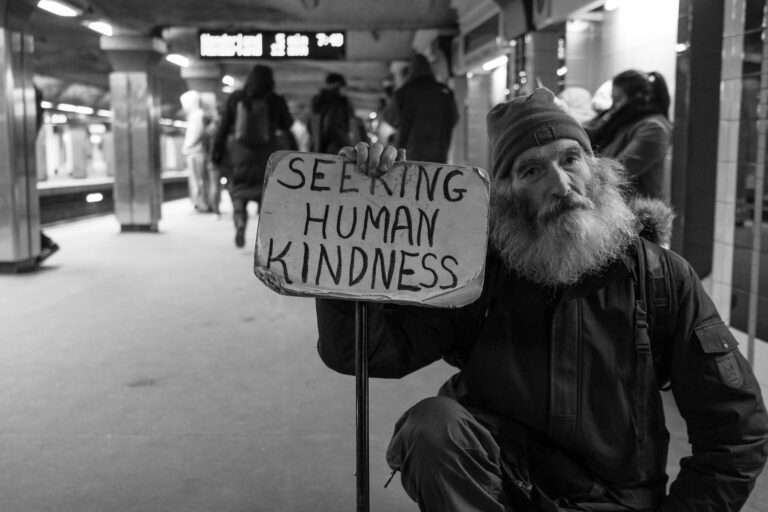
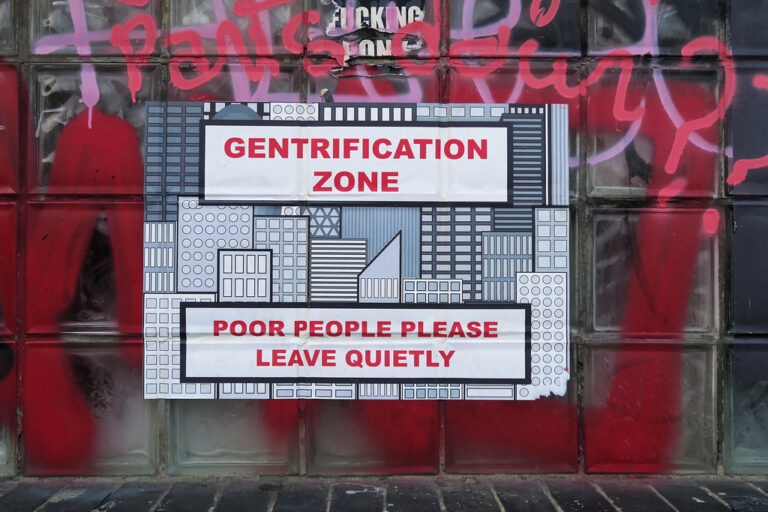
DO engage everyone in the local community; DON’T displace vulnerable population:
While we need to engage stakeholders, residents, businesses, and policymakers in planning processes we must strive to ensure inclusivity. If we do not add the voices of the vulnerable and marginalized communities, we create an environment where renewal is safe for some, but not for others. By empowering all to take an active role we are embracing the voice of all neighborhoods.
DO monitor and adapt projects; DON’T neglect changing technologies
No plan, absolutely no plan, is 100% perfect. It might look perfect on paper and fall apart in practice. By monitoring the progress of each project during all phases of the project. Focusing on data analytics will help monitor the project and identify possible areas of improvement. During the life of any project, technologies can change. What was seen as “state of the art” when the project started, could be yesterday’s technology when it is completed. The best way to address this possibility is to make sure the technology today can be updated in the future. By adjusting as needed we increase the success of project.
DO Incorporate green spaces; DON’T miss biodiversity and climate adaptions
There are two areas of focus we need to keep in mind, develop sustainable designs, and the importance of a decentralized energy system. When we focus on sustainable design we are focusing on developing green building practices where renewable energy and eco-friendly materials become central to any project. While decentralized energy systems help us rely less on the energy grid, by the building using renewable sources.
About the Author