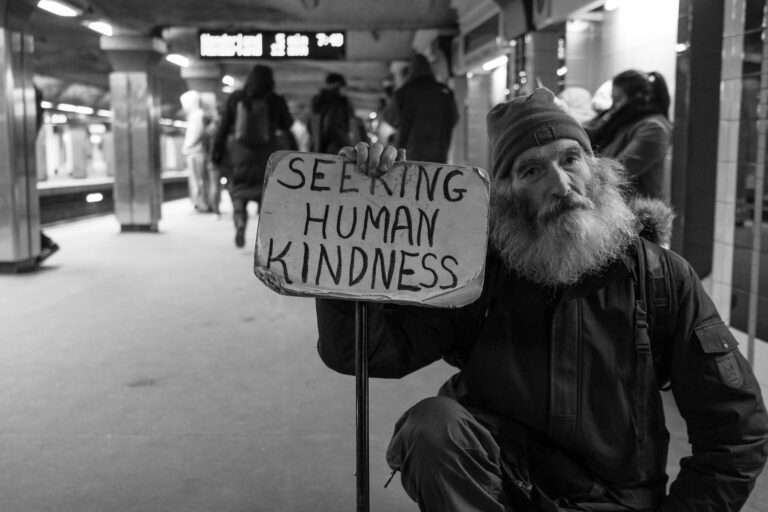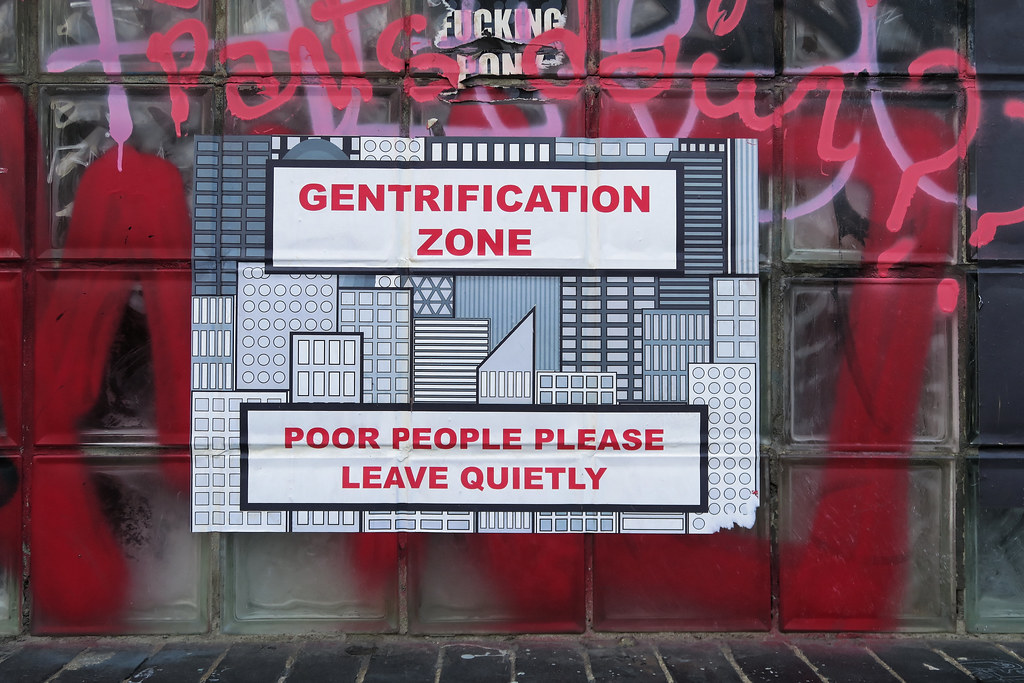
Do you want to fan the flames of us vs them during an economic development or revitalization project? Just say the word gentrification and watch the flames of community discord start to grow. I will agree economic development and revitalization can bring new life into neglected neighborhoods, but it can also bring challenges centering around the marginalized in our communities around displacement, economic inequality, the erosion of cultural identity, and where the money is flowing. With the increase in home price for new homes, cities gain addition tax revenue, investors buy cheap and sell high, and cash in on the process without a care for the communities culture. Gentrification, disguised as economic development or revitalization, will also increase rent on apartments and businesses who may have been there for decades, or generations. So, who loses in the process? While city officials call it economic development of revitalization, bankers/investors call it an investment in the community, while those living in the community call it gentrification. So, the cities cash in, the bankers/investors cash in and those who have lived in a community for decades, even generations, are the ones who always walk away as loser in the process. Keep this in mind, the only people truly invested in a community are those currently living in the community.
Which brings us to the title question, are terms like economic development and revitalization simply a kinder way of saying gentrification? In my altruistic mind, the answer is, yes. In my realistic mind, the answer is still, yes, but maybe not 100% intentional.
In the past, I have sat in economic development and revitalization meeting filled with city staff, elected officials, and investor patting themselves on the back about how this will benefit the city. In those meetings, I did not see any representatives of the community affected by the plan. Changing the word “gentrification” to “revitalization” or “economic development” does not change the fact that voices we need to hear, are not heard.
Who Benefits?
We know that marginalized communities never truly benefit. Cities make money, investors make money, and the marginalized lose and are left to fend for themselves. No matter what you call it, economic development or revitalization, one of the harmful realities of both is gentrification, the displacement and disenfranchised of long-time residents and the transformation of urban areas into more affluent communities, leaving behind the marginalized and removing the cultural flavor of the community. For example, over the past 30 years 523 majority-Black neighborhoods economic development or revitalization and experienced gentrification, under economic development and revitalization. In a third of these communities Black residents became a minority, undergoing full racial turnover. A perfect example of this is found in the City of Seattle’s Central District. In 1861 when Black entrepreneur William Grose bought land in Seattle’s Central District and established his home there. He inspired other Black Families to move to the area and by the 1960s, the District’s population was 90% Black. Today, under revitalization and economic development, gentrified the District, and today the Black population is about 9%.
When I first started in public administration I was told, there is no agreed-upon definition of gentrification. Maybe not for those who benefit, but for those who live in an area affected by gentrification can define it, and not in pleasant words. While those benefiting will, of course, have another definition, and cities will have another definition. In neighborhoods affected by it can defined gentrification as, “the process whereby wealthy individuals and investment firms replace the character and life blood of historic marginalized urban areas by taking down historic building, displacing current inhabitants and historical businesses, causing rent and housing prices to increase, and opening new businesses with no connection to the historic community.” That may not be the way you see it, but In the minds of those affected by the gentrification of their community via economic development and revitalization see it.
So, where do we go from here? I have two suggestions:
Developing a “Win/Win” Roadmap and an Action Plan to Mitigate Gentrification:
Developing a win/win scenario in the context where gentrification is mitigated, involves our need to focus on balance. Balancing economic development and neighborhood revitalization while protecting existing residents from displacement and achieving goals start with developing a roadmap to point us in the right direction and moves to a plan of action where we move forward.
Steps to Developing a Win/Win Roadmap to Mitigate Gentrification:
The first thing we need to do is develop a balanced, people-first framework, aimed at revitalizing the neighborhood history and its potential, and at the same time protecting and empowering existing residents. Before we move ahead, we need to develop guiding principles to set the pace.
Step One – Develop Guiding Principles:
Developing a realistic roadmap is develop guiding principles centering on, transparency, centered on open communication between developers, policymakers, and residents; support equity, prioritize those most at risk of displacement; focus on shared prosperity, we need to ensure economic gains are distributed across the community; focus on cultural continuity, by protect the social fabric that makes the neighborhood unique. Once we have the guiding principles, we need to now build a roadmap:
Step Two – Build a Roadmap to Mitigate Gentrification
The roadmap should focus steps from pre to post gentrification and focus on ways to stop it from happening.
1. Pre-Gentrification:
This focus should center on prevention and preparedness, with the goal of strengthening community resilience before market pressures escalate.
- Protect Affordable Housing: Implement rent stabilization, property tax caps for long-term residents, and community land trusts.
- Incentive Local Ownership: Offer grants or low-interest loans for residents to buy homes or commercial spaces.
- Focus on Community Vision: Co-create a neighborhood development plan with residents, prioritizing cultural preservation and equitable growth.
2. Active Gentrification:
Inclusive Growth by ensuring development benefits both newcomers and long-term residents.
- Develop Mixed-Income Areas: Require a percentage of new housing to be permanently affordable.
- Support Current Small Businesses: Provide subsidies, reduced rents, or shared retail spaces for legacy businesses.
- Cultural Anchoring: Fund public art, festivals, and heritage projects that reflect the neighborhood’s identity.
- Develop Community Benefit Agreements (CBAs): Negotiate with developers to secure jobs, training programs, and public amenities for locals.
3. Post-Gentrification:
Sustaining equity by maintaining diversity, affordability, and community cohesion.
- Put Permanent Affordability Mechanisms in Place: Expand land trusts, deed restrictions, and cooperative housing models.
- Develop Wealth-Building Programs: Offer financial literacy, entrepreneurship training, and home equity protection for residents.
- Develop Ongoing Representation: Establish neighborhood councils with decision-making power over zoning, public space, and cultural programming.
Once you have the roadmap, you have the needed information to move to an action plan.
Step Three – Developing a Win/Win Gentrification Action Plan
1. Define Shared Goals Early
- Community visioning sessions: Bring together residents, local businesses, developers, and policymakers to agree on priorities (e.g., affordable housing, cultural preservation, economic growth).
- Community visioning sessions: Bring together residents, local businesses, developers, and policymakers to agree on priorities (e.g., affordable housing, cultural preservation, economic growth).
2. Protect and Empower Existing Residents
- Affordable housing guarantees: Inclusionary zoning, rent stabilization, and community land trusts to keep housing costs manageable.
- Homeownership support: Grants or low-interest loans for repairs so long-term residents can benefit from rising property values without being forced out.
- Homeownership support: Grants or low-interest loans for repairs so long-term residents can benefit from rising property values without being forced out.
- Tenant protections: Legal aid and anti-eviction measures.
3. Foster Inclusive Economic Growth
- Local hiring requirements: Prioritize residents for new jobs created by development.
- Small business support: Subsidized commercial rents, microloans, and technical assistance for legacy businesses.
- Cultural economy investment: Fund arts, markets, and events that reflect the neighborhood’s heritage.
4. Build Accountability and Transparency
- Community benefit agreements (CBAs): Legally binding commitments from developers to deliver agreed-upon benefits.
- Ongoing monitoring: Public dashboards tracking housing affordability, displacement rates, and economic outcomes.
- Resident-led oversight boards: Give the community a formal role in decision-making.
5. Plan for Long-Term Stability
- Mixed-income housing models to prevent economic segregation.
- Permanent affordability mechanisms like deed restrictions or land trusts.
- Intergenerational wealth-building through homeownership programs and cooperative business models.
Closing
No matter how you say it, “economic development” or “revitalization” we must hold to the reality they can breed the reality of gentrification, and in that we have an obligation of protecting marginalized communities. This is essential for creating sustainable economic growth and enhancing the quality of life. Gentrification can develop a spatial phenomenon which can affects communities in various ways, including school quality, exposure to violence, pollution, and social influences.
About the Author