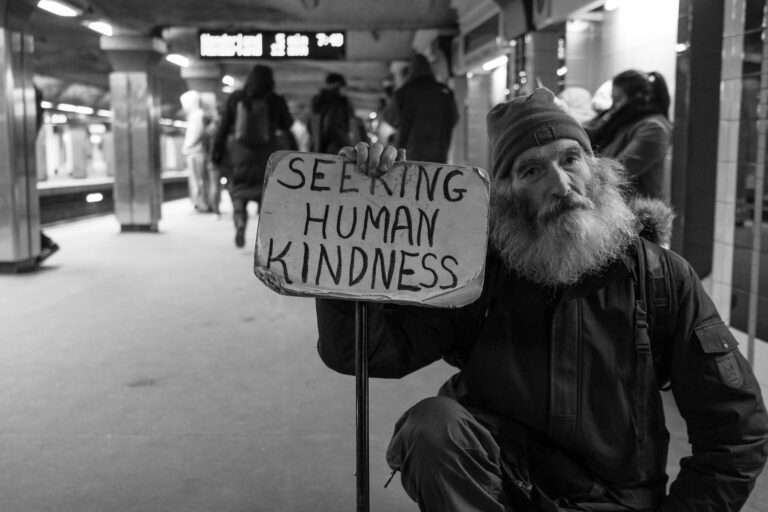
Let me start by admitting, I have a dog in this fight; I was raised by a widowed mother with a 10th grade education along with my six siblings. After the death of our father, we moved from a comfortable middleclass life, with a nice house to living in section 8 housing, on survivor benefits, food stamps, government cheese and canned meat. My mother spent most of her life cleaning toilets and catching any extra work she could to keep us cloth, fed and warm.
I was recently consulting with a City’s Economic Development Board. The Board was comprised of elected officials, business leaders, city executives and staff, along with social service executive. When the meeting started, I asked one simple question, “What would you use to remove a face plate from a light switch? Don’t think about it, just say the name of the tool.” They all looked at each other, thinking I had lost my mind, and to the person they answered, “A screwdriver.” I looked at them, and said,“Thank you.” The leader of the Board looked confused and asked me what they had to do with what we were doing. I explained, it had a great deal to do with want we are doing. I said, “You answer told me you knew the right answer to my question, and it also told me none of you have lived in the social margins. Because if you did, your answer would have been ‘a butter knife.’ You see, people living in the social margins do not have access to ‘the right tool for the job’ they use what they have available to them.” This opened the conversation about having people who actually live in the social margins on the Board.
Over the last several months I have reviewed economic development plans from over 15 cities and had several conversations with City Managers and Directors of Economic Development concerning the lack of marginalized voices in their economic development plans. While most, not all, had elements of job creation and workforce development element, there has been a lack of how economic development will benefit the marginalized. They believe if they focus on business development, the issues facing the marginalized will take of themselves, but they never do.
A good economic development plans should focus on attracting and retaining businesses, strengthening workforce pipelines, increasing community resilience, and enhancing quality of life; but by removing the voices of those marginalized in society you are not increasing community resilience, you are ignoring it. So the question becomes:
Should Economic Development Plan Meetings Include the Marginalized?
The answer is Absolutely, Yes. Any economic development plan must include marginalized groups in the meetings because they are essential for achieving inclusive and sustainable growth. Those living in the social margins face unique challenges limiting their participation in the economy, poverty, discrimination, access to education, and limited job opportunities. When including socially marginalized groups in development plans, we ensure that the benefits of economic growth are distributed equitably across all segments of society. This approach fosters long-term economic stability and resilience, and we address systemic barriers and strive to remove barriers, giving the socially marginalized to grow and be active in the community.
About the Author